
Respiratory Health
How to do pursed-lip breathing when COPD makes you breathless
A slower out-breath through narrowed lips can ease the air hunger of COPD. The steps, how often to practise, positions that help, and when to call.


Consultant Pulmonologist & Sleep Medicine Specialist
Dr. Katranji is a consultant physician specialising in pulmonary disease, critical care and sleep medicine, practising in the UAE since 2014. He trained in internal medicine at St. John Hospital in Detroit, in pulmonary and critical care medicine in Michigan, and in sleep medicine at Wayne State University.
A slower out-breath through narrowed lips can ease the air hunger of COPD. The steps, how often to practise, positions that help, and when to call.
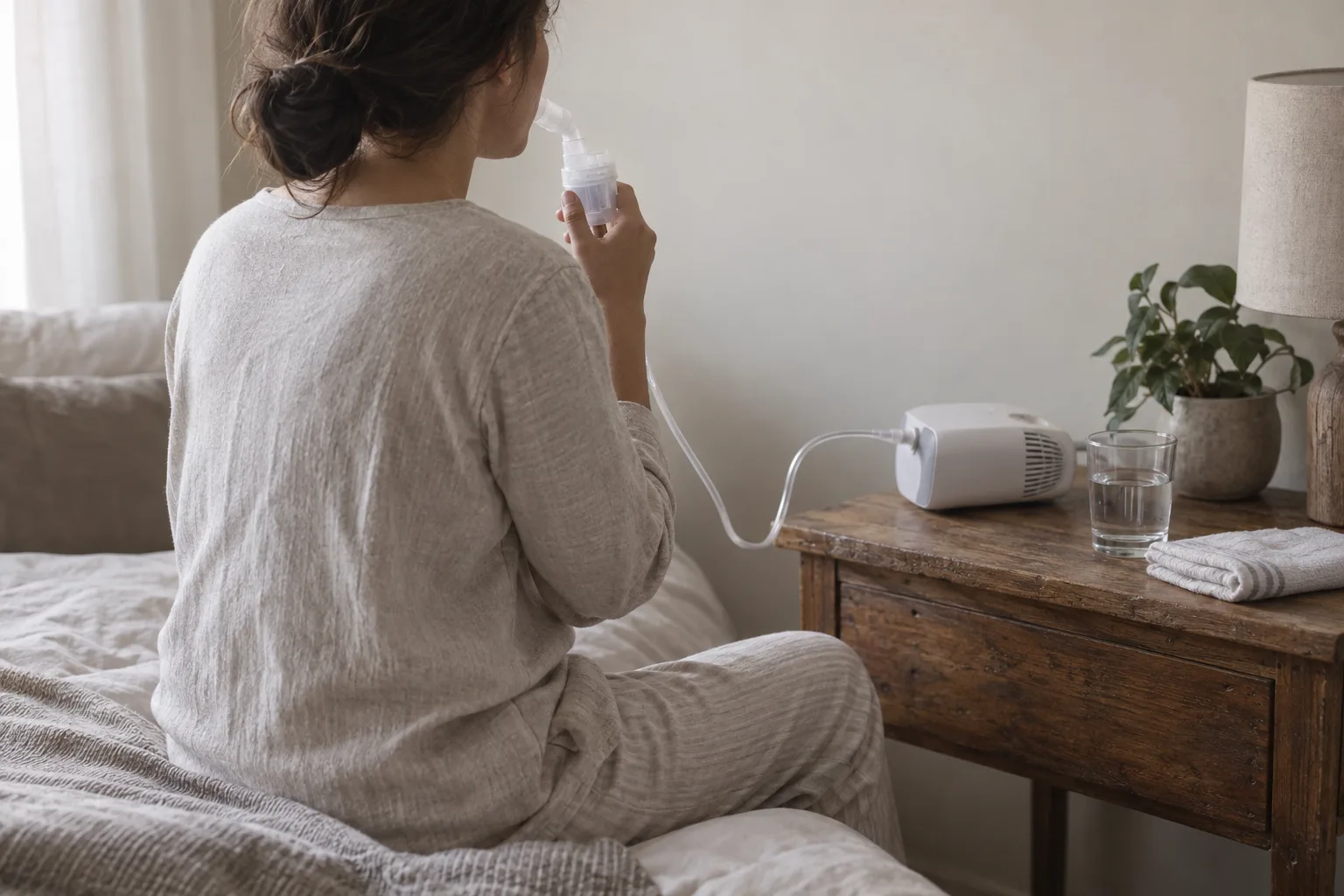
A cough that keeps returning with phlegm is sometimes damaged, widened airways rather than another chest infection. What a CT scan shows that spirometry cannot, and what long-term care involves.

A productive cough that has gone on for years already meets a clinical definition. What chronic bronchitis does to the airways, why a lung test comes next, and where it parts from COPD.


Emphysema is the pattern of COPD where the air sac walls are permanently damaged. What the tests show, what a scan line means and what care can change.

Sleep problems are judged by pattern, not one bad night. The signs worth an assessment, the Epworth score, and what a sleep study reports.

Breathlessness, cough or phlegm worse than usual and lasting two days or more: how to tell a flare-up from a bad day, and when to call 998 in the UAE.

The drive to breathe fades, so airflow stops while the airway stays open. That difference decides what the sleep study shows and the treatment tried.

A cough past three weeks, breathlessness that has changed, and a wheeze that keeps returning: when a lung assessment is due and what it measures.
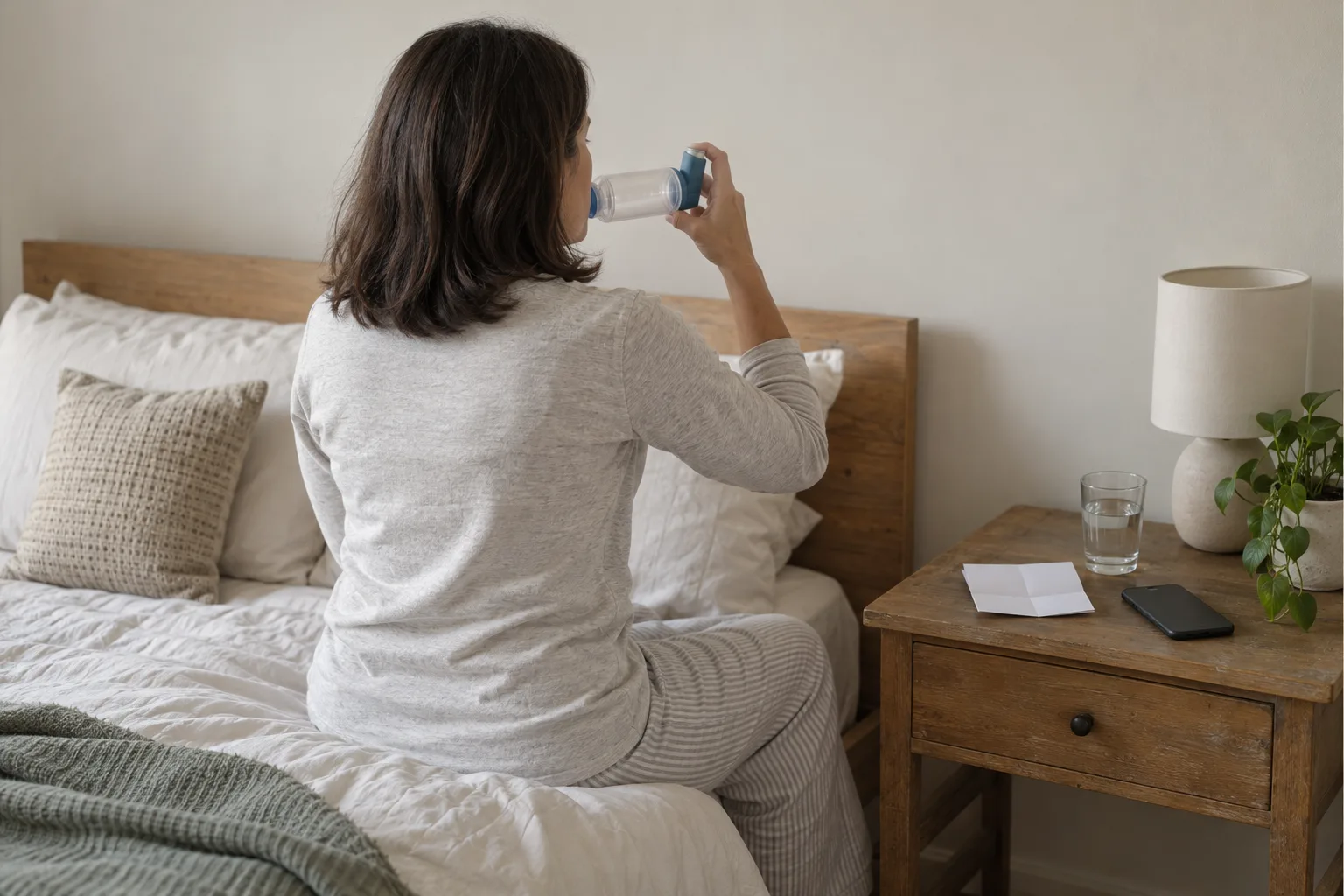
An asthma attack can settle within ten minutes or run for hours: what it feels like, what to do first, and why the review afterwards matters.

Asthma in adults usually shows up as a pattern of cough, wheeze, breathlessness and chest tightness that comes and goes. What the pattern looks like, what else can cause it, and the lung tests that confirm it.

COPD and asthma both narrow the airways, so the answer rests on the history and on spirometry before and after an inhaler. A pulmonologist explains what each part adds, and what to bring to a first visit.

A whistling note from your chest is worth understanding before you try to treat it. This page covers the likely causes, how wheeze differs from stridor and snoring, and the tests that name the cause.

A cough that persists or keeps returning can have several causes. Here is when a structured respiratory assessment may help.

Occasional snoring is common, but loud or persistent snoring can sometimes point to a sleep-related breathing problem.
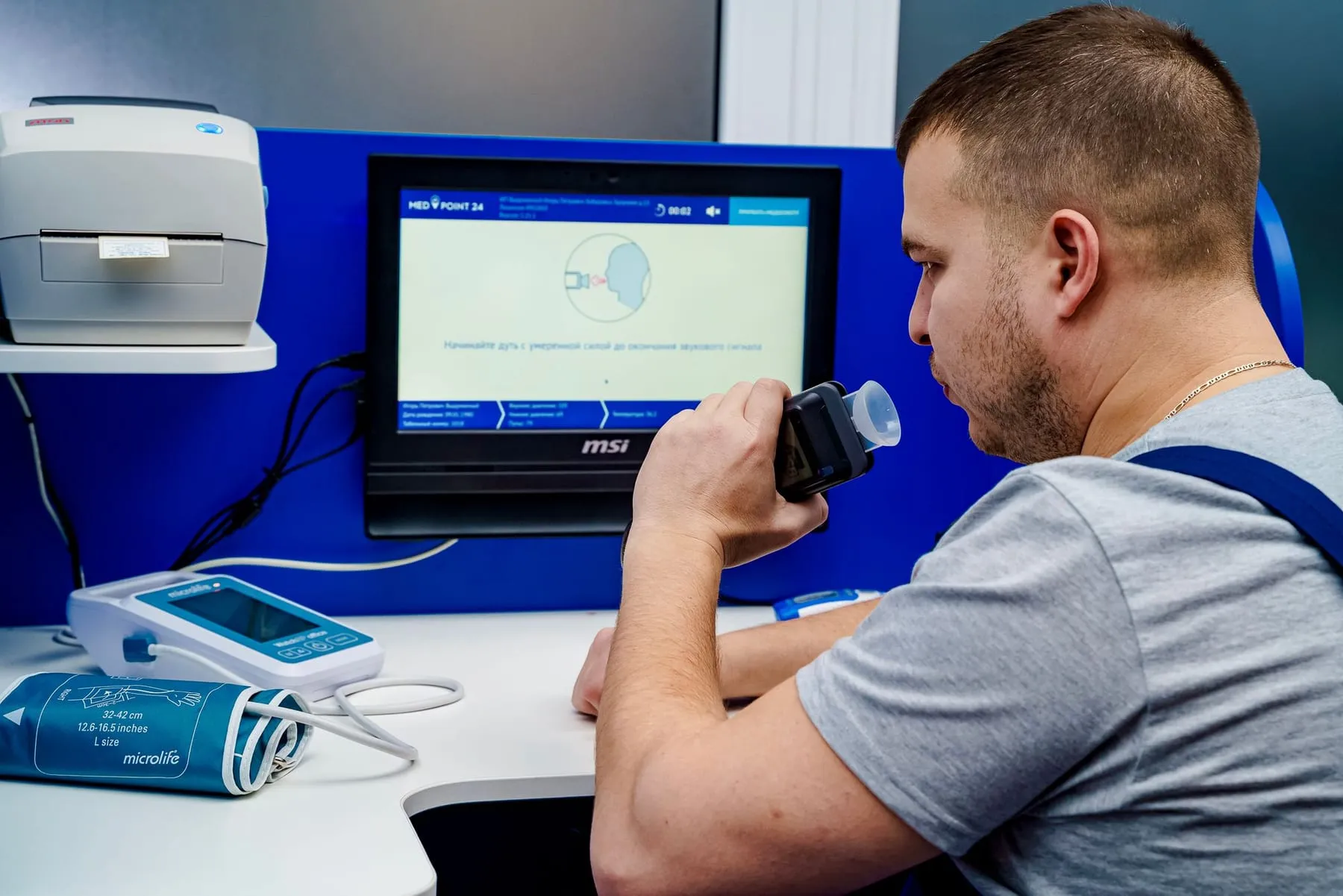
Spirometry measures airflow and is commonly used in the assessment of asthma, COPD and other breathing conditions.

Sleep apnea can interrupt breathing again and again during sleep. Learn the common signs and why a sleep assessment may be recommended.

Shortness of breath has many possible causes. The pattern of your symptoms helps decide when specialist assessment makes sense.