
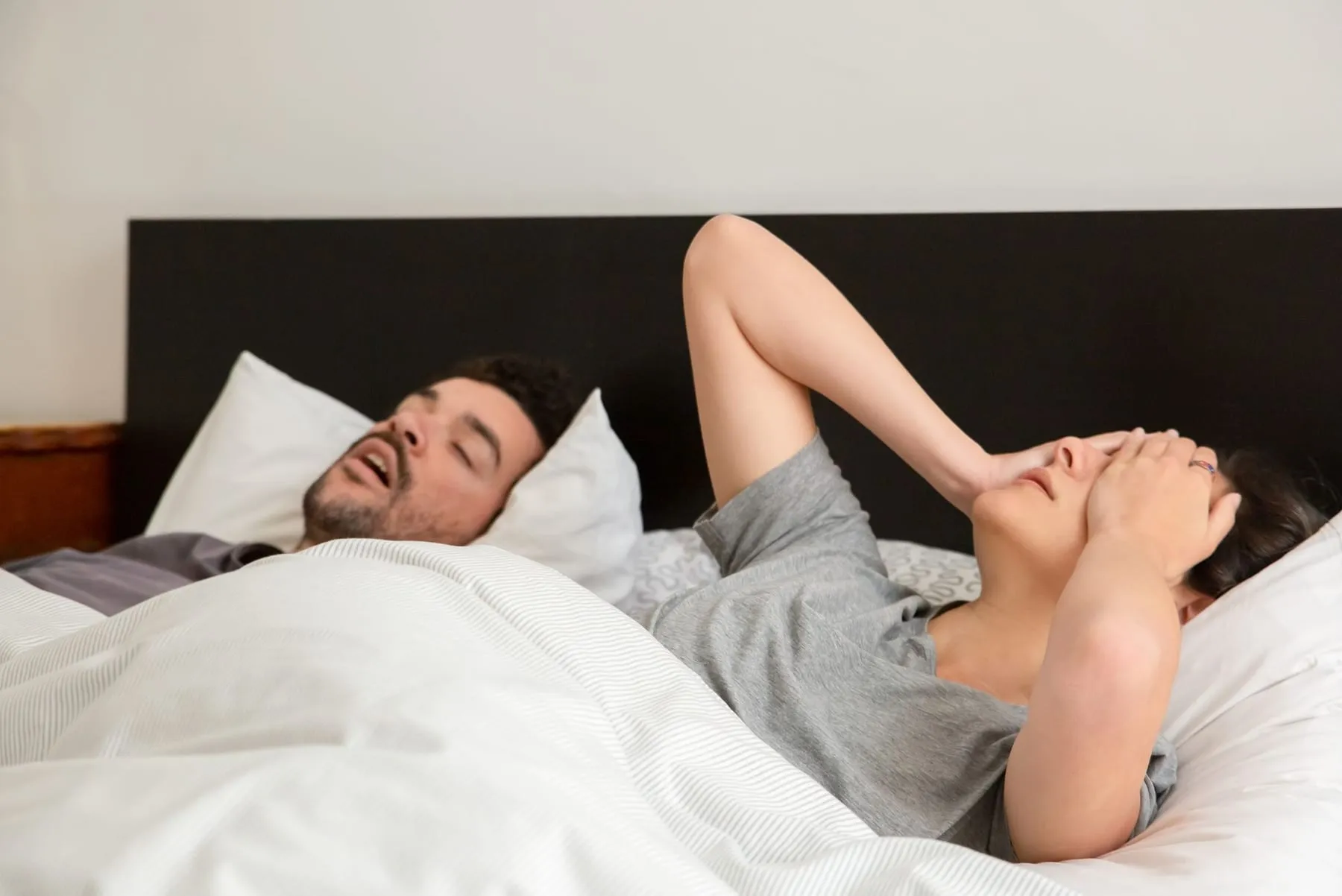
Quick answer
Snoring is common, but persistent or loud snoring can sometimes be linked to obstructive sleep apnea or other sleep-related breathing problems. An assessment helps tell the difference.
Is snoring a medical problem?
Snoring is common, but persistent or loud snoring can sometimes be associated with obstructive sleep apnea or other sleep-related breathing problems.
Most people snore at some point, and it is often harmless. It is worth having it checked when the snoring is loud enough to disturb a partner, when it happens most nights, or when it comes with other signs during sleep.
What signs may need a closer look?
Snoring on its own does not make a diagnosis. An assessment may help when several of these are present:
- Loud snoring on most nights
- Pauses in breathing that a partner notices
- Gasping, snorting or choking sounds during sleep
- Tiredness or sleepiness during the day
These signs can have more than one cause, and not everyone who snores has sleep apnea.
How is snoring linked to sleep apnea?
Loud snoring is one of the most common signs of obstructive sleep apnea, where breathing is briefly interrupted during sleep. A sleep study can show whether your breathing is being interrupted, and how often. The sleep apnea assessment page covers how that condition is assessed. Our guide to when snoring may need attention sets out the signs to watch for at home.
What does an assessment involve?
A sleep-focused consultation looks at sleep patterns, breathing symptoms, daytime function, medical history and relevant medications. A sleep study may be recommended.
It helps to know what a partner or family member has noticed during your sleep. Bring any earlier reports or scans with you, and a list of your current medicines. The practice offers sleep studies and CPAP or BiPAP assessment, and no referral is needed to book.
Snoring in children
Children snore as well. If a child snores most nights, or you notice pauses or noisy breathing during sleep, it is worth having it checked. Children are seen at the clinic for snoring and for other breathing problems during sleep.
Not for emergencies. If breathing difficulty is severe or getting worse quickly, call 998 or go to the nearest emergency department.
Common questions
When should I see a specialist about snoring?
Book an assessment if sleep problems are regular, affect how you function during the day, or come with loud snoring, pauses in breathing or gasping at night.
Is this an emergency?
Sleep problems are rarely emergencies, but severe breathing difficulty is. If you or someone else is struggling to breathe, call 998 or go to the nearest emergency department.
Medical review pendingHow we review content