
Quick answer
Asthma is a long-term airway condition that can cause wheezing, coughing, chest tightness and shortness of breath. Symptoms vary between people, so assessment looks at your pattern of symptoms, lung function and how you respond to treatment.
Asthma care in Dubai begins with working out what is driving your symptoms. Dr. Mohammad Fawzi Katranji is a consultant pulmonologist in Dubai who assesses adults and children with asthma, at the clinic in Dubai or by video consultation. No referral and no existing diagnosis are needed to book.
What is asthma?
Asthma is a long-term condition of the airways, the tubes that carry air in and out of the lungs. In asthma, the airway walls become inflamed and the muscles around the airways tighten. That narrows the airway, so breathing can feel tight or sound noisy. Symptoms come and go, and they include wheezing, a cough that is worse at night or after exercise, chest tightness and shortness of breath.
Asthma specialist in Dubai
The assessment looks at the pattern of your symptoms across several weeks, and one reading on one day rarely settles the question. He holds four American Board certifications, in internal medicine, pulmonary medicine, critical care medicine and sleep medicine, and has practised for more than two decades, in the UAE since 2014. Breathing and sleep affect each other, so a cough that disturbs your nights is looked at with both in mind.
How is asthma assessed?
Dr. Katranji starts with your story, asking when the symptoms began, what makes them worse and whether they wake you at night. He examines your chest, listens to your breathing and reviews any earlier reports, scans and test results. Your home, your work and your sleep can all play a part, and how your symptoms respond to treatment is part of the picture as well.
Which tests help diagnose asthma?
Spirometry is the main breathing test. You take a deep breath in, then blow out as hard and as fast as you can into a mouthpiece, and it shows how much air you can blow out and how quickly. The test may be repeated after you use an inhaler, to see whether your breathing improves. Results are read with your symptoms and your history, so no single test makes the diagnosis on its own.
Where the picture is unclear, pulmonary function tests and other breathing tests may be added.
Asthma treatment in Dubai
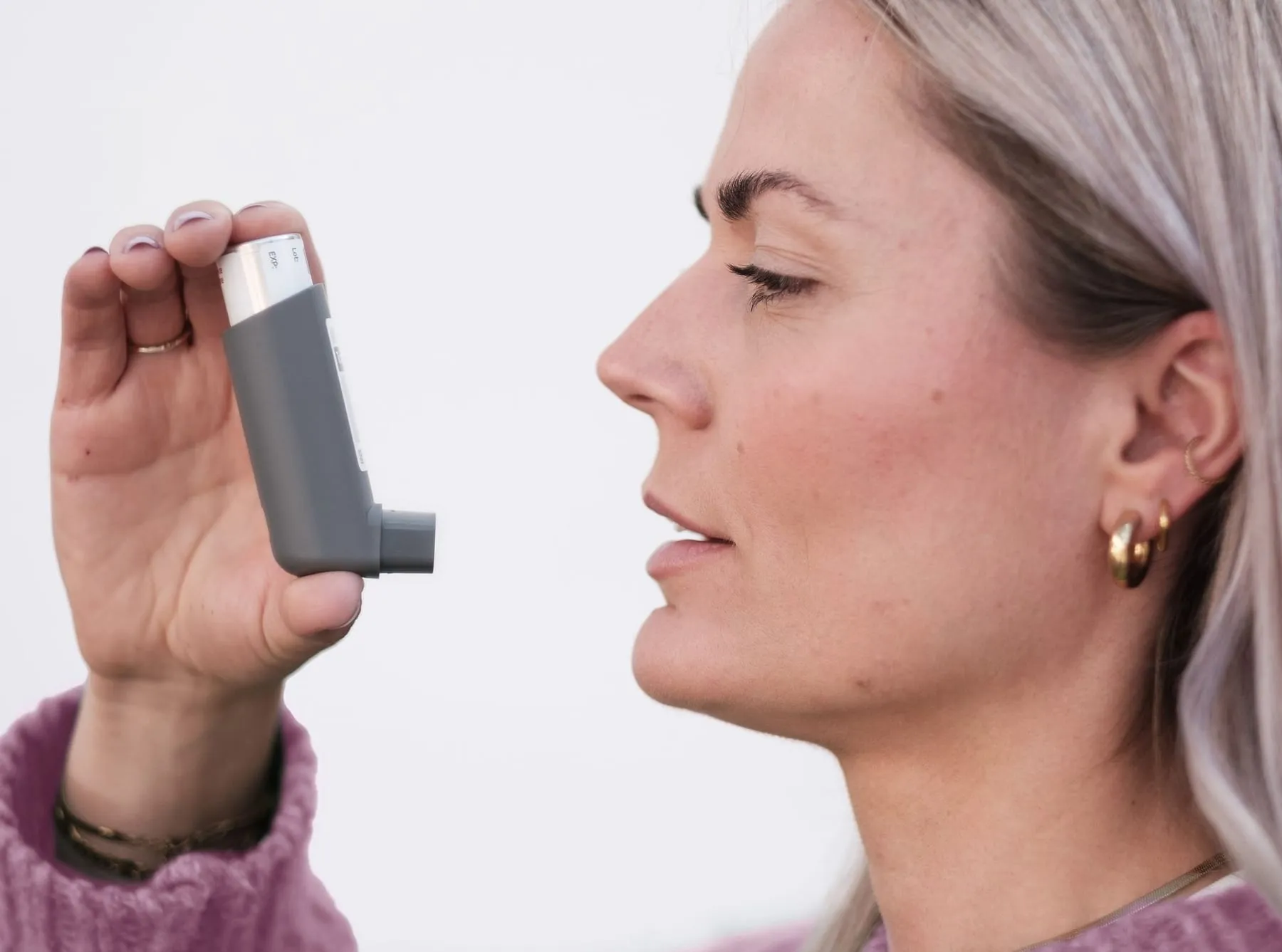
Treatment is decided after the assessment and depends on how often your symptoms come. It usually starts with a reliever inhaler for tightness or wheeze, and often a preventer taken every day to calm the inflamed airway. Dr. Katranji explains what each inhaler does, then checks at follow-up how well it is working and changes it if it is not.
Asthma clinic in Dubai, in person or by video
Appointments are in person in Dubai, or online by video consultation through an external telehealth platform. A video call suits a first conversation or a results review. Some symptoms need an examination in person. The clinic will say so when you book, and you can book an appointment online to choose the visit that fits.
When to see an asthma doctor
Consider an assessment if a cough keeps returning, if wheeze or chest tightness comes back, if you wake at night with breathlessness, or if you need your reliever inhaler most days. A diagnosis that no longer feels controlled is a reason to book as well. More detail on how asthma shows up in adults sits in asthma symptoms in adults.
Not for emergencies. If breathing difficulty is severe or getting worse quickly, call 998 or go to the nearest emergency department.
Common questions
When should I see a specialist about asthma?
Book a specialist assessment if symptoms are persistent, keep coming back, affect daily activities or sleep, or are not improving as expected with current treatment.
Is this an emergency?
Yes, if breathing difficulty is severe or getting worse quickly, or you have chest pain or are coughing up blood. Call 998 or go to the nearest emergency department. A clinic appointment is not the right route for emergencies.
Medical review pendingHow we review content